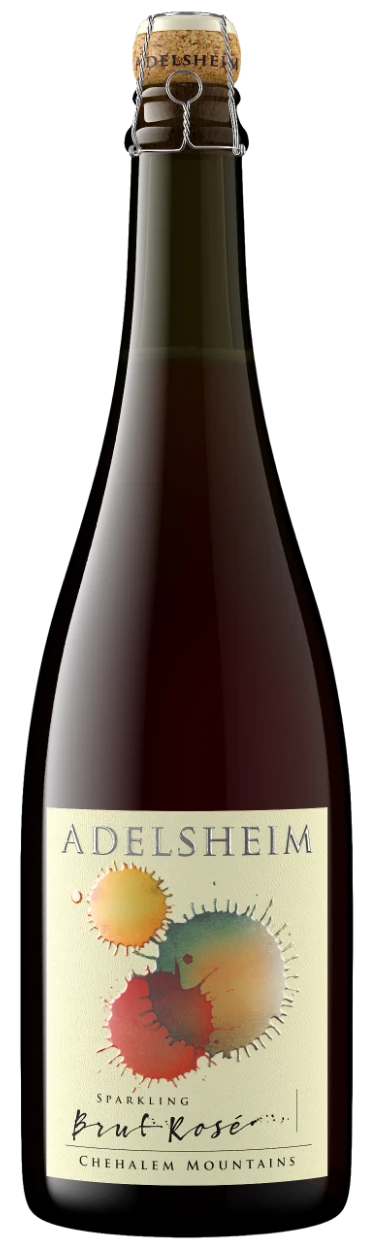
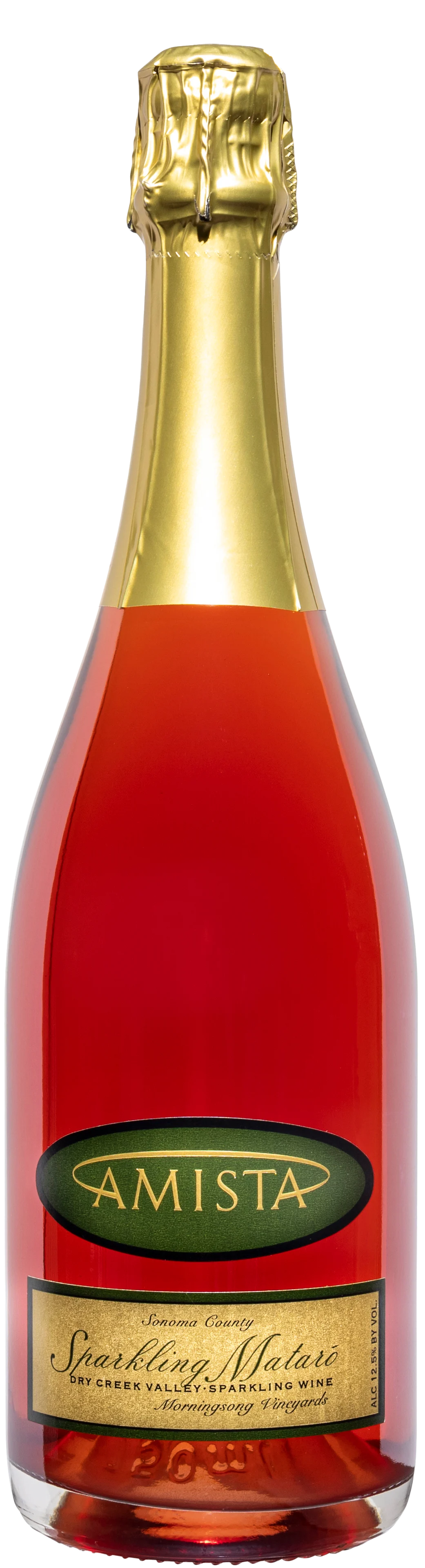
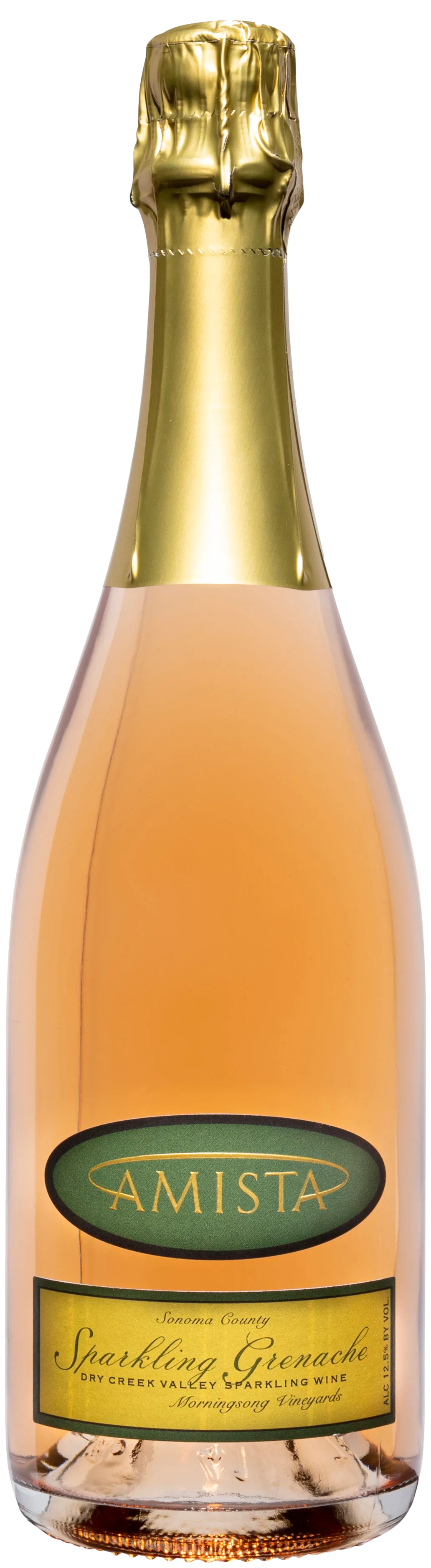
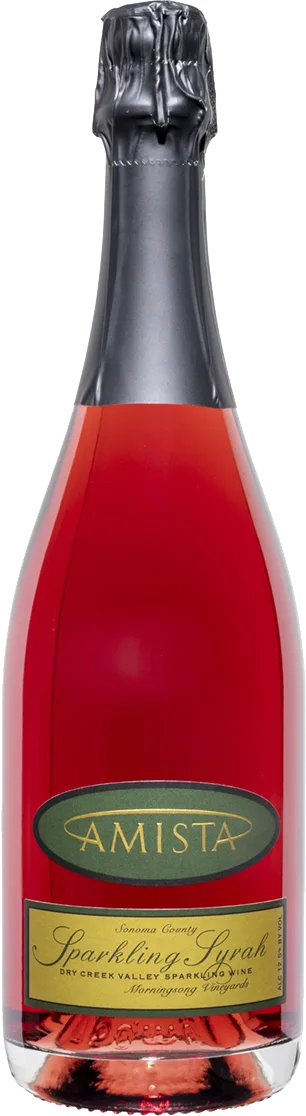
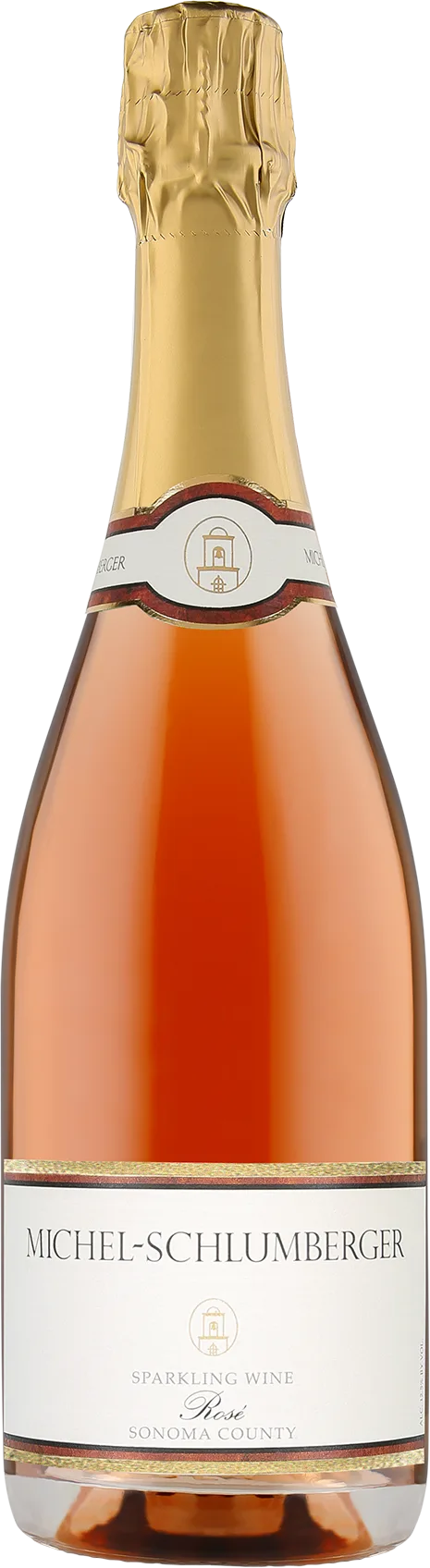
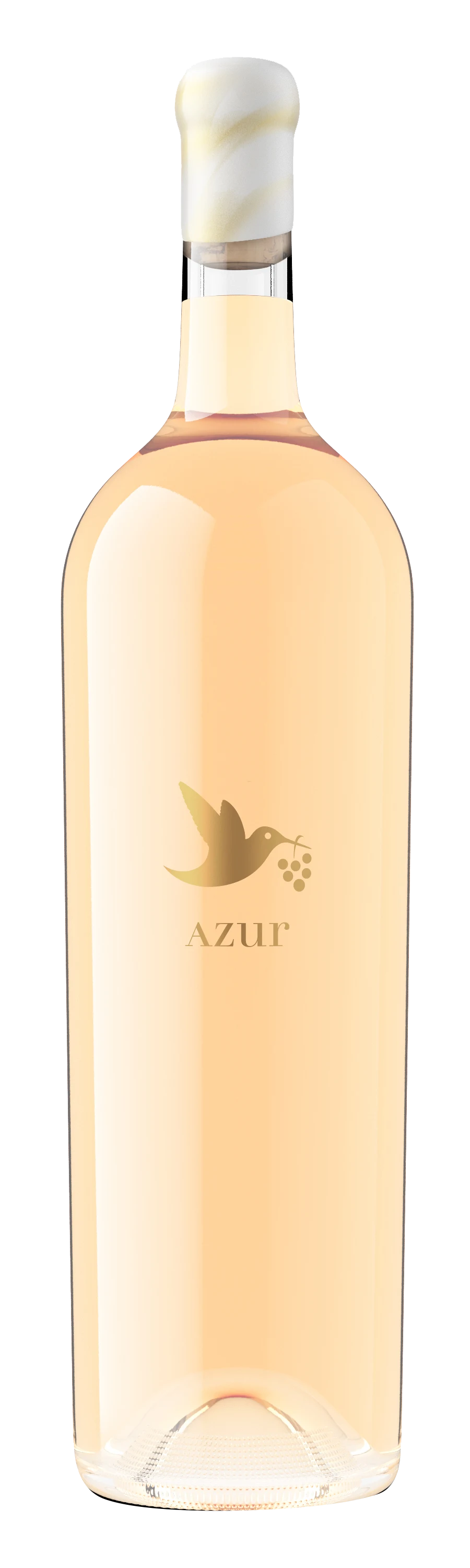
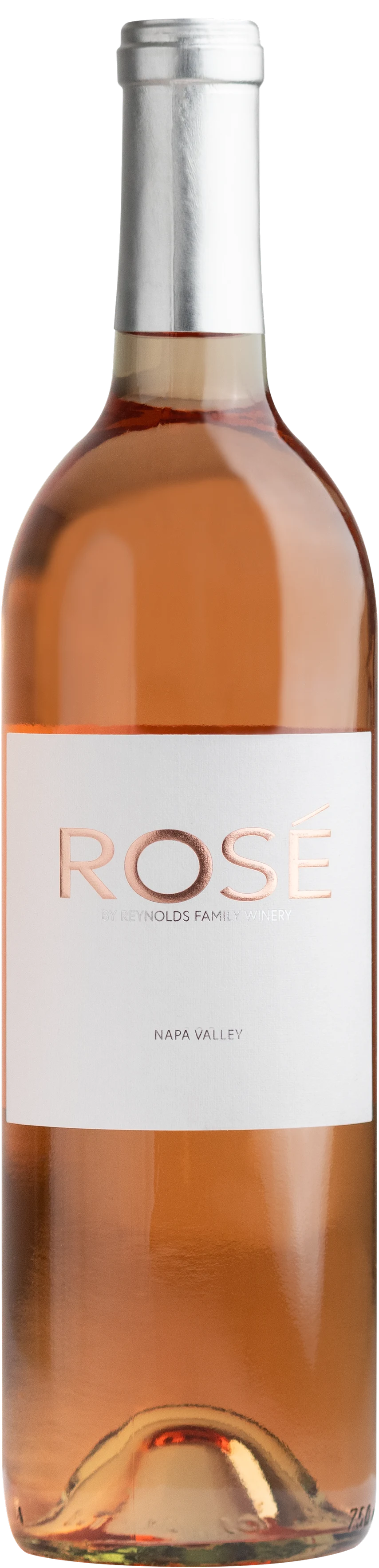
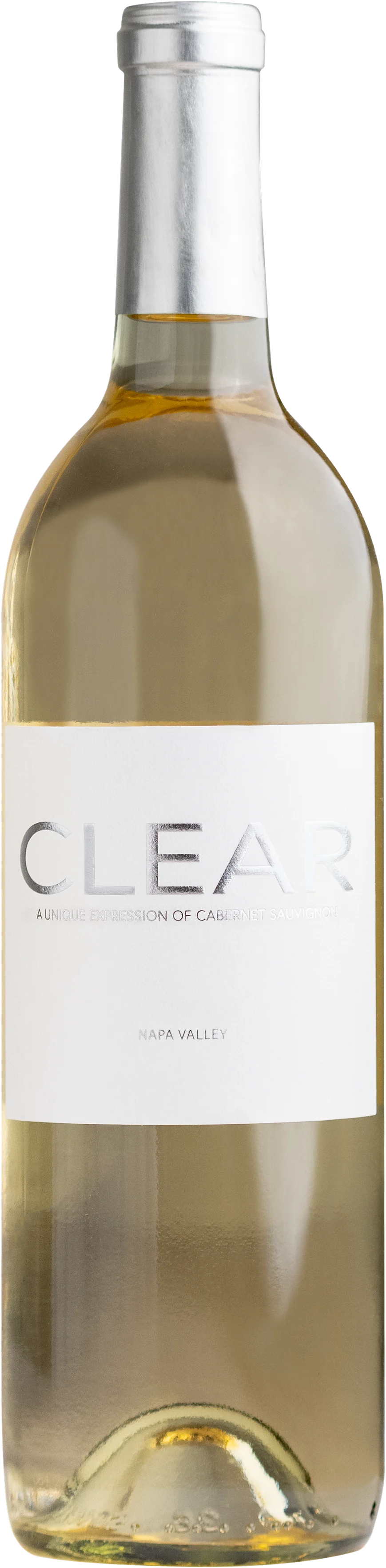
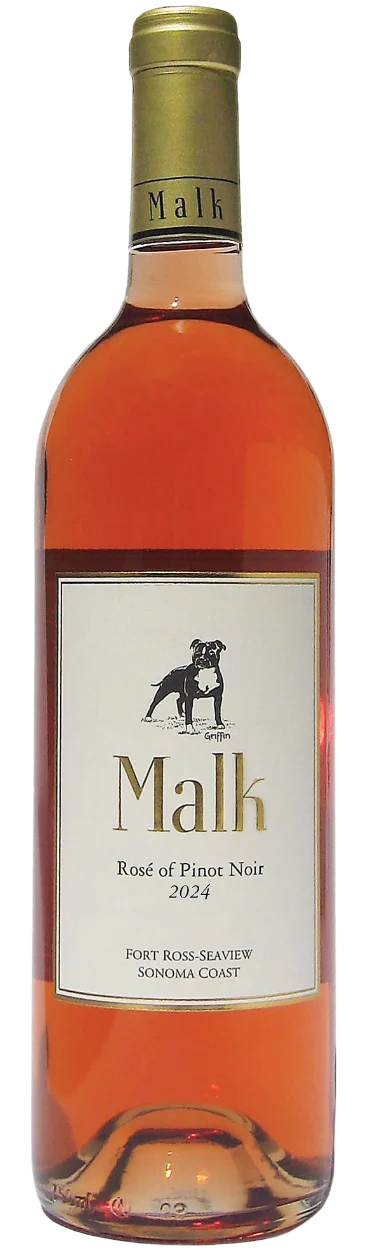
Rose's can be made in four primary ways. First, is through maceration. Maceration is the most common method for producing a high quality rose, and entails allowing the juice to remain in contact with the grape skins to absorb pigmentation from red grapes for a period of time, anywhere from six hours to two days. The longer the skin contact, the deeper the color. Method two is through the direct press method, where grapes are pressed as soon as they enter the winery, resulting in very minimal skin contact. The result is a very light, and delicate rose. Third would be the Saignee (san-yay) method, which translated to "bleeding" In the Saignee method a small amount of juice that was destined for red wine production is bled off the main vessels and vinified seperately as the rose. The result is a richer, deeper colored rose, as well as a more concentrated red wine. Finally, the blending method which is commonly practiced in the production of Brut Rose in Champagne, is quite simply the blending of a bit of red wine into white wine near the end of the production process.